
Categories
Featured


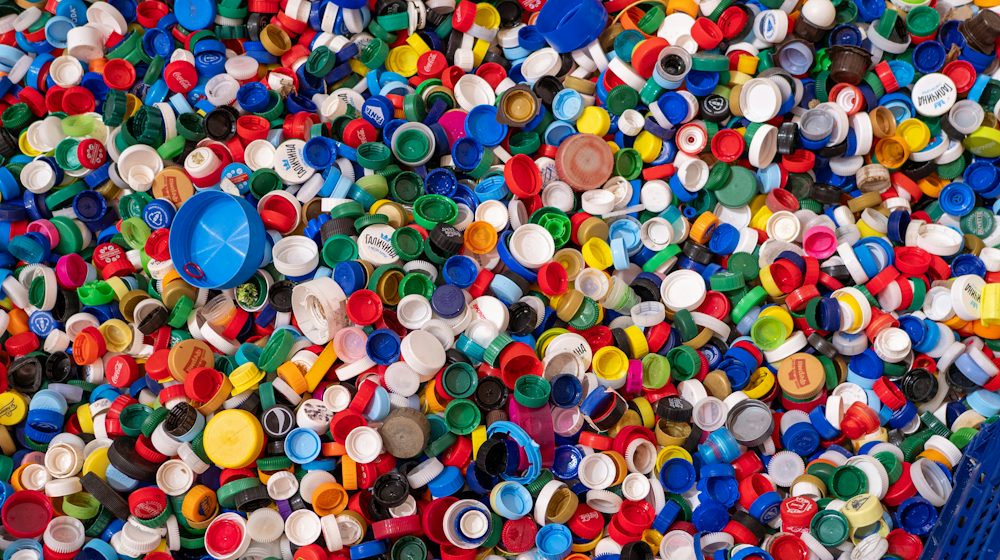
The single most important rule of plastic welding is simple: you can only weld a plastic to the same plastic. A PP welding rod will not bond to an ABS bumper, and a PE rod will not hold on a nylon radiator tank. Before you pick up your hot air gun, you need to know exactly what you are working with. Here are the tests professionals use, starting with the easiest.
1. Look for the identification code
Most plastic parts – especially car bumpers, headlight housings, tanks and trims – are stamped with a material code, usually on the inside or back of the part. Look for letters between the symbols > <, for example:
- >PP< – polypropylene
- >PP/EPDM< or >PP+EPDM-T20< – polypropylene blend (very common on bumpers; T20 means 20% talc filler)
- >PE-HD< / >HDPE< – high-density polyethylene
- >ABS< – acrylonitrile butadiene styrene
- >PA6<, >PA66-GF30< – polyamide (nylon); GF30 means 30% glass fibre
- >PC<, >PC/PBT< – polycarbonate and its blends
- >PUR< – polyurethane
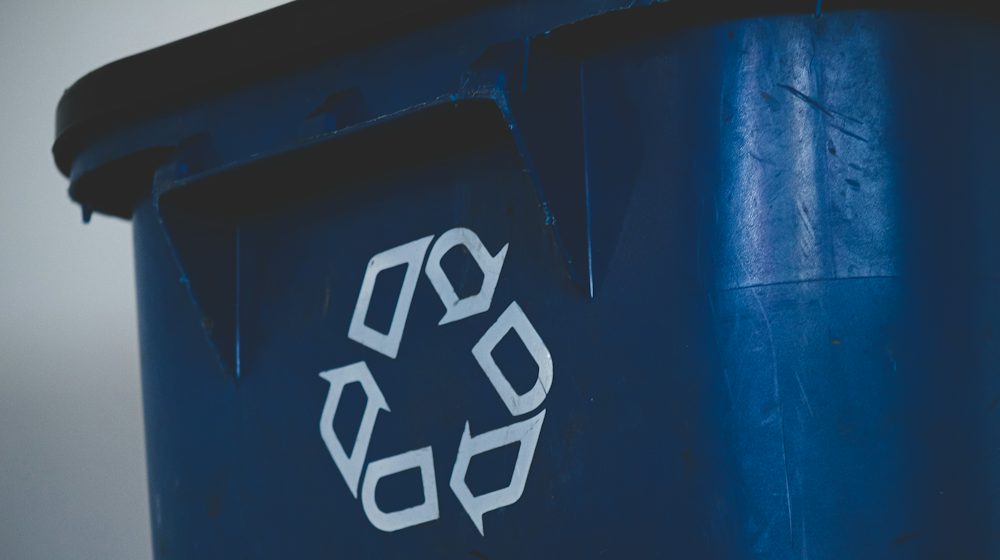
Household items often carry the recycling triangle instead: 2 = HDPE, 4 = LDPE, 5 = PP, 3 = PVC, 1 = PET, 6 = PS. If you find a code, you're done – choose the matching rod.
2. The float test
Cut a small piece (about 1 cm) from a hidden area, remove any paint and drop it into a glass of water with a drop of washing-up liquid (to break the surface tension).
- Floats: PP or PE (polyolefins – lighter than water)
- Sinks: ABS, PA, PC, PVC, PET, PBT
Note: heavily filled grades (e.g. PP with 20–40% talc or glass fibre) can sink, so always combine this with another test.
3. The feel and scratch test
- PE feels waxy or slightly greasy and is easy to scratch with a fingernail.
- PP also feels waxy but is harder and stiffer than PE; it can be bent repeatedly without snapping (think of a hinge on a lunch box lid).
- ABS is hard, rigid and often glossy; it breaks with a clean, sharp edge.
- PA (nylon) is tough, slightly flexible and has a "horn-like" feel.
- PC is very hard and impact-resistant, often transparent (e.g. headlight lenses).
4. The burn test (with care)
Watch the flame, the smoke and whether the material keeps burning after you remove the lighter.
| Plastic | Flame | Smoke | Keeps burning? | Smell |
|---|---|---|---|---|
| PE | Blue with yellow tip, drips | Little or none | Yes | Candle wax |
| PP | Blue with yellow tip, drips | Little, white | Yes | Waxy / hot engine oil |
| ABS | Yellow | Heavy black soot | Yes | Sweet, like styrene |
| PA (nylon) | Blue with yellow tip, forms a bead | Little | Tends to go out | Burnt hair |
| PC | Yellow, chars | Black soot | Goes out | Sweetish, phenolic |
| PVC | Yellow with green edge, hard to light | Grey-white | Goes out | Sharp, acidic – avoid inhaling |
5. The test weld – the definitive answer
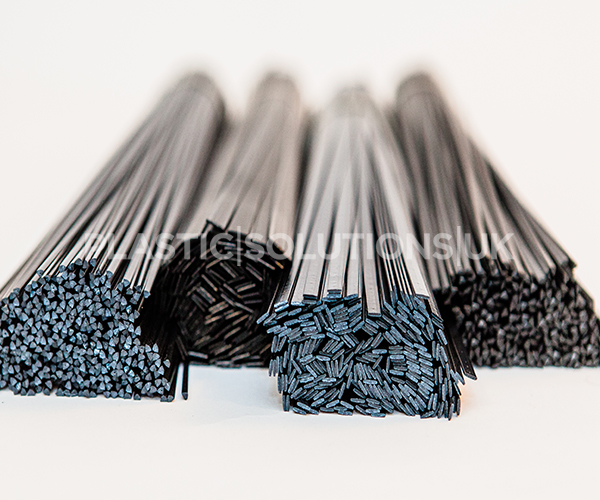
The most practical test of all is a test weld. Take a short piece of welding rod of the type you suspect (e.g. PP) and weld it onto a hidden area of the part. Let it cool fully, then try to peel it off with pliers:
- The rod tears or breaks, but stays bonded – it's a match. Go ahead and repair with this rod.
- The rod peels off cleanly – wrong plastic. Try the next rod type.
This is why many workshops keep a mixed test pack of welding rods (PP, PE, ABS, PA, PC, PP/EPDM) – it removes all the guesswork. You'll find mixed sets and individual rod types in our shop.
Quick summary
- Look for the >CODE< stamp first.
- No code? Do the float test (floats = PP/PE).
- Narrow it down with feel and, carefully, the burn test.
- Confirm with a test weld before the real repair.
Once you know your plastic, read our Plastic Welding Guide – Step by Step and our overview of Different Types of Plastics to choose the right rod and temperature.
Not sure which rod you need?
Our mixed rod sets cover PP, PE, ABS, PA, PC and PP/EPDM – perfect for test welds and everyday repairs.
Shop welding rods Starter kitsPhotos: Plastic Solutions UK and Unsplash.
There are no products to list in this category.


