
Categories
Featured


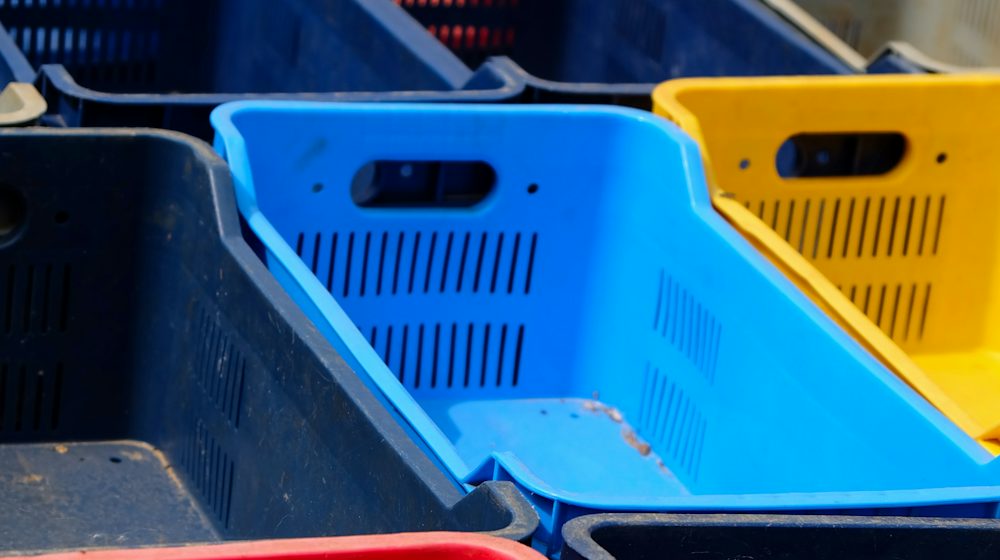
"Plastic" covers dozens of very different materials. Some melt and weld beautifully, others can't be welded at all. Knowing the main types helps you choose the right welding rod, the right temperature and the right repair method.
Thermoplastics vs thermosets
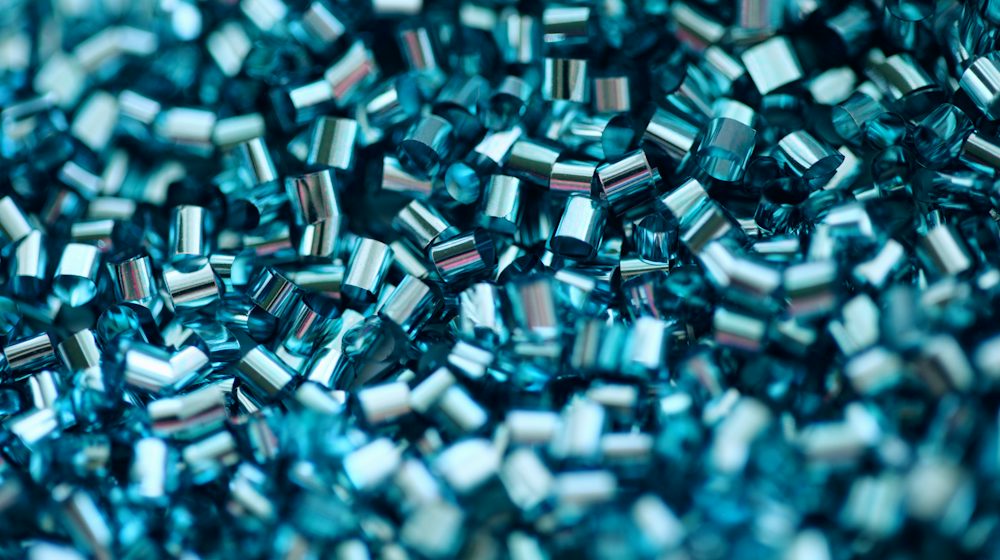
Thermoplastics soften when heated and harden again when cooled – this can be repeated many times. That's what makes them weldable. Most car bumpers, tanks, pipes and household items are thermoplastics.
Thermosets (e.g. fibreglass/GRP, SMC panels, epoxy, some polyurethanes) are cured chemically and don't melt – they burn or char instead. These cannot be hot-air welded and are repaired with resins or two-part adhesives.
The most common plastics
PP – Polypropylene
Where you'll find it: car bumpers, interior trims, battery cases, washer bottles, garden furniture, food containers, chemical tanks.
Properties: light (floats on water), waxy feel, flexible, excellent chemical resistance.
Weldability: excellent. Use PP rod at roughly 280–320 °C. Paint needs an adhesion promoter.
PP/EPDM – Polypropylene rubber blend
Where you'll find it: most modern car bumpers and spoilers (often marked >PP+EPDM-T20<).
Properties: PP toughened with rubber for impact resistance; often talc-filled.
Weldability: very good with dedicated PP/EPDM rod; standard PP rod also often works.
PE – Polyethylene (HDPE / LDPE)
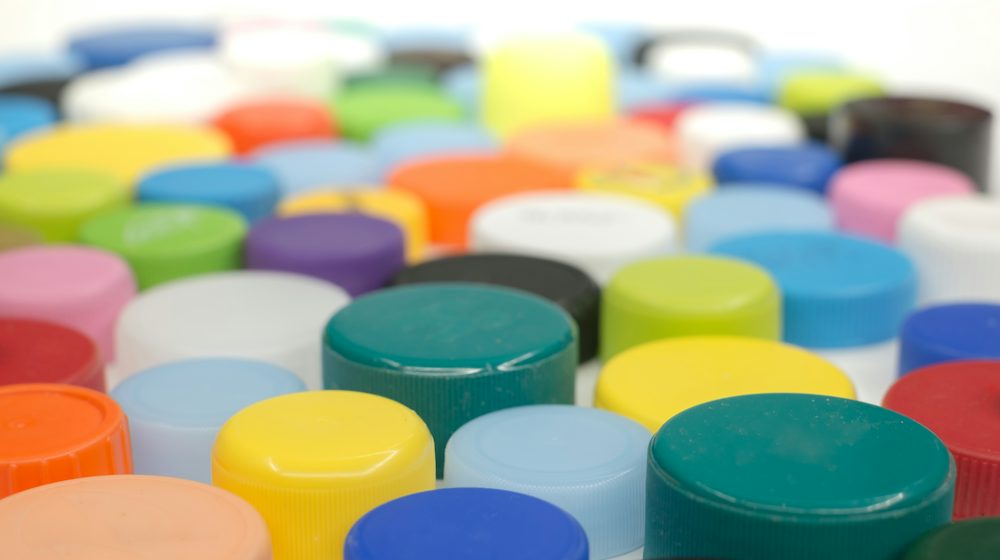
Where you'll find it: water and fuel tanks, kayaks, pipes, wheelie bins, cutting boards, jerry cans, agricultural tanks.
Properties: floats, very waxy, scratches easily, extremely chemical resistant. HDPE is stiffer; LDPE is soft and flexible.
Weldability: excellent with PE rod at about 270–300 °C. Nothing sticks to PE – welding is often the only lasting repair.
ABS – Acrylonitrile Butadiene Styrene
Where you'll find it: motorcycle fairings, car grilles, mirror housings, dashboards, interior panels, caravan parts, electronics housings, LEGO bricks.
Properties: hard, rigid, glossy; sinks in water; burns with black soot.
Weldability: very good with ABS rod at around 300–350 °C. Can also be solvent-bonded.
PC and PC/PBT – Polycarbonate and blends
Where you'll find it: headlight lenses (PC), bumpers and body parts on some European cars (PC/PBT, e.g. "Xenoy"), safety glazing, helmets.
Properties: very tough and impact resistant; PC is often clear.
Weldability: good with matching rod at about 330–370 °C. Dry the part first – moisture causes bubbles.
PA – Polyamide (Nylon)
Where you'll find it: radiator end tanks, engine covers, intake manifolds, expansion tanks, clips and brackets (often PA6 or PA66, frequently glass-filled, e.g. PA66-GF30).
Properties: tough, heat resistant, smells of burnt hair when burned.
Weldability: good but demanding – needs higher temperatures (approx. 350–400 °C) and matching rod (glass-filled rod for glass-filled parts).
PVC – Polyvinyl chloride
Where you'll find it: pipes, guttering, window frames, flooring, signage, pond liners (flexible PVC).
Properties: rigid or flexible; self-extinguishing; contains chlorine.
Weldability: weldable with PVC rod, but requires care and ventilation – overheating releases harmful fumes. Never burn-test PVC indoors.
PET – Polyethylene terephthalate
Where you'll find it: drinks bottles, food packaging, polyester fibres.
Weldability: rarely repaired by welding; mostly a recycling material.
PMMA – Acrylic (Perspex)
Where you'll find it: rear light lenses, displays, signs, aquarium panels.
Weldability: possible but tricky – usually bonded with special acrylic cement.
PUR – Polyurethane
Where you'll find it: older bumpers (RIM), foam, flexible spoilers.
Weldability: depends on the type – thermoplastic PUR can be welded, thermoset PUR cannot and is repaired with two-part adhesive.
Quick reference table
| Plastic | Typical use | Floats? | Weldable? | Approx. temp. |
|---|---|---|---|---|
| PP | Bumpers, tanks, trims | Yes | Excellent | 280–320 °C |
| PP/EPDM | Modern bumpers | Usually | Very good | 280–320 °C |
| PE | Tanks, kayaks, pipes | Yes | Excellent | 270–300 °C |
| ABS | Fairings, grilles, housings | No | Very good | 300–350 °C |
| PC / PC-PBT | Headlights, bumpers | No | Good | 330–370 °C |
| PA (nylon) | Radiator tanks, engine parts | No | Good (demanding) | 350–400 °C |
| PVC | Pipes, liners, signs | No | Yes, with care | ~300 °C |
| Thermosets (GRP, SMC) | Body panels, boats | No | No – use resin/adhesive | – |
Temperatures are starting points for hot air welders – always test on scrap first.
Not sure what your part is made of? Read our guide How to Identify Plastic Types, then follow the Plastic Welding Guide – Step by Step.
Find the right rod
We stock welding rods in over 25 thermoplastics – PP, PP/EPDM, PE, ABS, PC, PA and many more. Unsure what your part is made of? Send us a photo of its marking.
Shop welding rods Starter kitsPhotos: Plastic Solutions UK and Unsplash.
There are no products to list in this category.


